Lesson · Haman in Egypt
Quran 28:38 · Surah Al-Qasas
وَقَالَ فِرْعَوْنُ يَا هَامَانُ ابْنِ لِي صَرْحًا لَعَلِّي أَبْلُغُ الْأَسْبَابَ
"And Pharaoh said: 'O Haman, build me a tower that I may reach the pathways.'"
The Supposed Error
Haman appears in the Bible's Book of Esther as an official in the court of the Persian King Ahasuerus centuries after Moses and thousands of miles from Egypt. Skeptics argued the Quran's author copied the name but placed Haman in completely the wrong time and country.
Then Egyptologists deciphered the hieroglyphs. They found the name Haman in ancient Egyptian inscriptions alongside his exact job title. The Quran was not wrong. The Bible placed Haman in Persia. The Quran placed him in Egypt. Only one was confirmed by archaeology.
Then Egyptologists deciphered the hieroglyphs. They found the name Haman in ancient Egyptian inscriptions alongside his exact job title. The Quran was not wrong. The Bible placed Haman in Persia. The Quran placed him in Egypt. Only one was confirmed by archaeology.
In the Bible, who is Haman and where does he live?
A
An Egyptian official who served under Pharaoh during the time of Moses
B
An official in the court of King Ahasuerus of Persia many centuries after Moses, in a completely different country
Book of Esther · Persian Empire
The Bible's Haman is an Agagite nobleman in Persia. The Quran's Haman is in Egypt, contemporary with Moses. Two different eras, two different countries.
C
A Babylonian king who ruled Egypt after defeating Pharaoh
What did Egyptologists discover in ancient hieroglyphic inscriptions about a person named Haman?
Hieroglyphic Evidence Egyptian Inscriptions
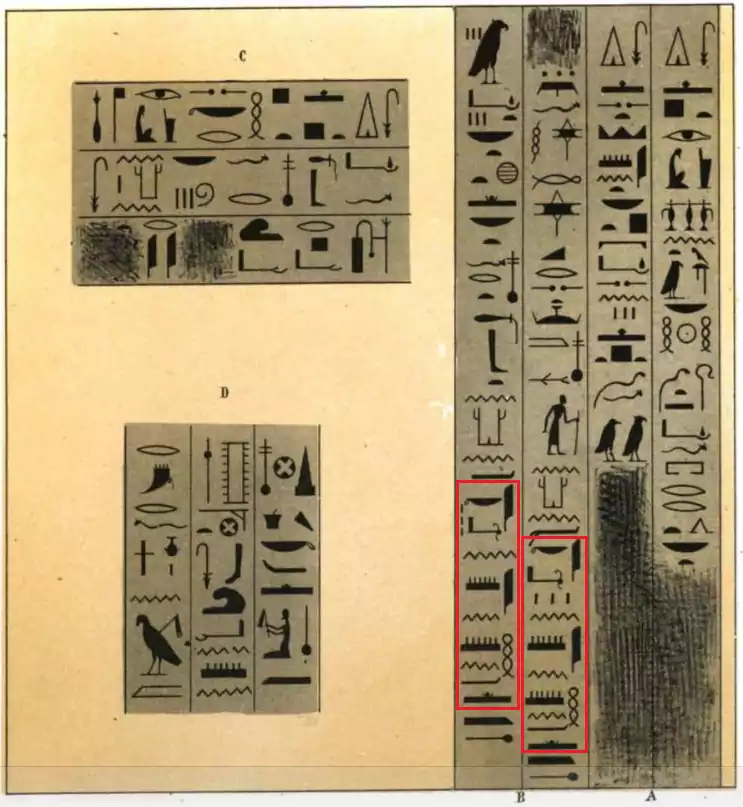
Hieroglyphic stele panels B & A Egyptologists identified the name "Haman" in these columns. The red box marks the specific hieroglyphic sequence spelling his name and title.
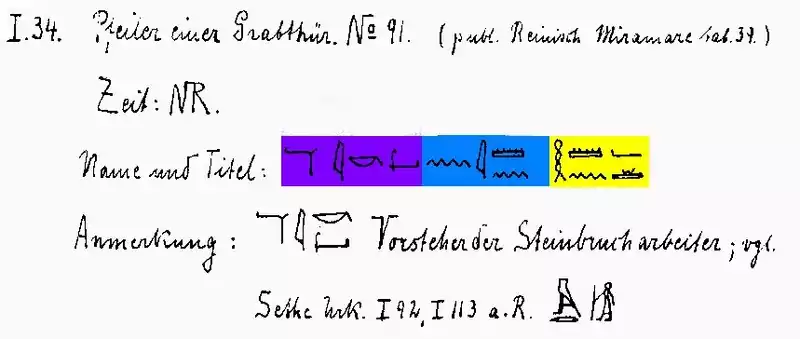
Leo Rienisch, "Die aegyptischen Denkmaeler in Miramar" The annotation reads: "Vorsteher der Steinbrucharbeiter" Overseer of the stone-quarry workers. Published scholarly record of the discovery.
A
A Persian nobleman serving the King of Persia confirming the Bible's account
B
An Egyptian scribe responsible for writing royal decrees for Pharaoh
C
An Egyptian official with the title "Overseer of the stone-quarry workers" exactly matching the Quran's claim that Haman was in Egypt and ordered to construct a building
Rienisch · Miramar · New Kingdom Egypt
The Quran says Pharaoh told Haman: "Bake clay and build me a tower." What does Haman's Egyptian title reveal about this command?
A
Nothing Haman's Egyptian title had nothing to do with construction, so it is a coincidence of names
B
Perfect alignment "Overseer of the stone-quarry workers" is a construction foreman. The Quran's order to build a tower is exactly the kind of command this official would receive
فَأَوْقِدْ لِي يَا هَامَانُ عَلَى الطِّينِ فَاجْعَلْ لِي صَرْحًا
28:38 · Surah Al-Qasas
"…light me a fire to bake clay and build me a rise high enough…"
C
A contradiction stone-quarry workers would not use clay bricks, proving the Quran got the details wrong
Lesson complete · +30 XP
0
Years ago the Quran named Haman in Egypt
0
Years New Kingdom Egypt when Haman lived
1
Name found confirmed by Egyptology
Leo Rienisch · "Die aegyptischen Denkmaeler in Miramar" (Egyptian Monuments in Miramar)
"Name und Titel: … Anmerkung: Vorsteher der Steinbrucharbeiter" Translation of hieroglyphs from stele panels, identifying the official named Haman as Overseer of the stone-quarry workers. New Kingdom period.
Summary and recap.
The name Haman appears in the Bible but placed in Persia, centuries after Moses. Skeptics said whoever wrote the Quran copied this name and made a mistake, putting Haman in Egypt during Moses's lifetime.
Then Egyptologists deciphered ancient hieroglyphic steles and found the name Haman in New Kingdom Egypt with the title "Overseer of the stone-quarry workers" a construction supervisor, exactly consistent with Pharaoh ordering him to build a tower. This is published in "Die aegyptischen Denkmaeler in Miramar" by the German Egyptologist Leo Rienisch.
Two sources. Two countries. Two eras. The Bible says Haman was in Persia. The Quran says Egypt. Archaeology confirmed Egypt. An illiterate man in 7th-century Arabia could not have known this from the Bible and could not have guessed it.