Lesson · Pharaoh's Stakes
Quran 89:10–12 · Surah Al-Fajr
وَفِرْعَوْنَ ذِي الْأَوْتَادِ · الَّذِينَ طَغَوْا فِي الْبِلَادِ
"And Pharaoh of the Stakes who transgressed in the lands."
The Discovered Mistake
Skeptics insisted the Quran made an error: crucifixion was a Roman invention of the 4th century BC it couldn't exist in Pharaoh's Egypt. But Egyptologists discovered papyrus and hieroglyphs depicting impalement on stakes in ancient Egypt millennia before Rome existed. The Quran described this precisely. The skeptics were wrong. The Quran was right.
Quran 20:71 says Pharaoh threatened to crucify on "trunks of palm trees." What does this tell us about Egyptian crucifixion?
A
It was identical to Roman T-shaped crucifixion hands nailed to a crossbeam
B
فَلَأُصَلِّبَنَّكُمْ فِي جُذُوعِ النَّخْلِ
20:71 · Surah Ta-Ha
Impalement on an upright trunk not a T-cross. The same verse says hands were cut off first, so no nailing was possible.
C
Egyptians used crucifixion exactly like Assyrians tying to a post without impalement
What is the difference between the cross everyone imagines and what the Quran and archaeology actually describe?
Archaeological Evidence
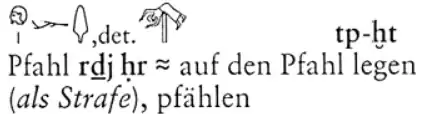
Hieroglyph determinative the bent figure on an upright stake. Egyptian word "tp-ht": "to put on the stake as punishment." The body is bent forward impaled, not hanging by hands.
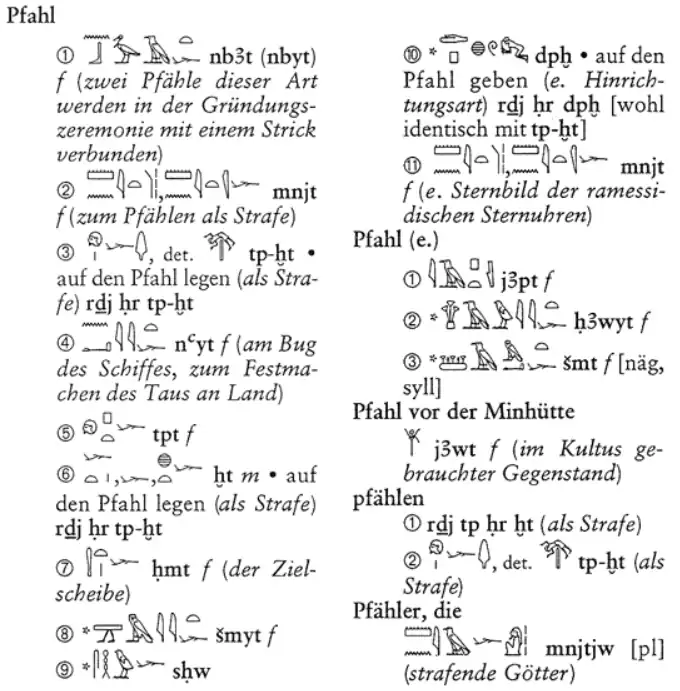
Egyptian lexicon entry for "Pfahl" (stake). Entry 3: "auf den Pfahl legen als Strafe" to put on the stake as punishment. Multiple hieroglyphic forms of impalement recorded.
A
Roman cross (T-shape) victim hung from outstretched arms nailed to a crossbeam
B
Egyptian stake the victim was impaled on an upright post. The Quran says "palm trunks," the hieroglyph shows a body bent over a stake. Same method the Assyrians and Babylonians used confirmed by papyrus evidence.
C
No difference crucifixion always meant a cross-shaped structure in all ancient cultures
What is Papyrus Boulaq 18 and why does it matter to this discovery?
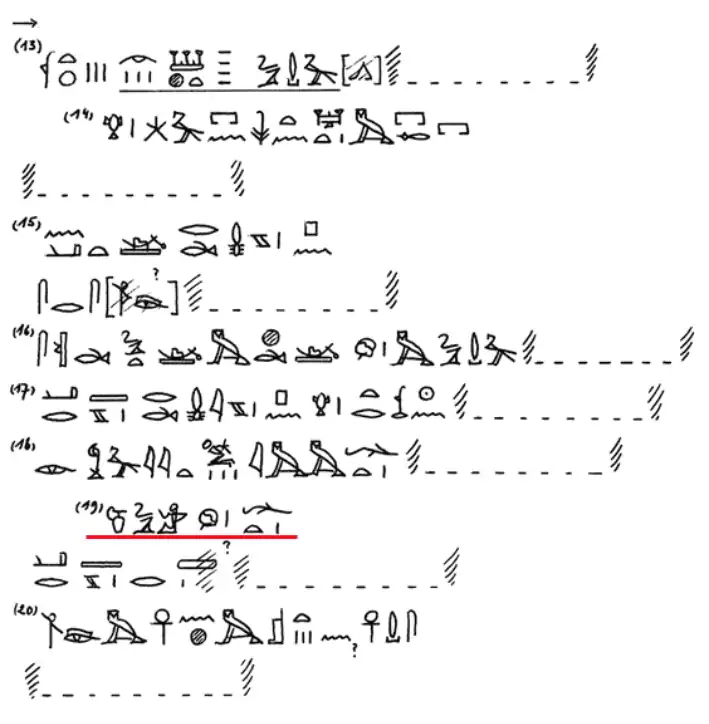
Papyrus Boulaq 18 dated to the 13th Dynasty (Second Intermediate Period). The red-highlighted line reads: "…the comrade was put on the stake…" This predates Rome by over a thousand years.
A
A Roman document proving they taught crucifixion to the Egyptians
B
An account claiming Moses himself ordered crucifixion on stakes
C
An Egyptian papyrus from the 13th Dynasty that explicitly mentions "the comrade was put on the stake" proving stake-impalement existed in Egypt long before Rome, exactly as the Quran described
Lesson complete · +30 XP
0
Years ago the Quran described Egyptian crucifixion
13th (~1800 BC)
Dynasty Papyrus Boulaq 18
0
Years Rome had not yet invented the cross
National Library of Medicine "The History and Pathology of Crucifixion"
"Probably originating with the Assyrians and Babylonians, crucifixion was first used systematically by the Persians. In its earliest form in Persia the victim was tied to a tree or post, or even impaled on an upright post, with feet clear of the ground. Only later was a cross used. In the 4th century BC Alexander the Great adopted crucifixion and brought it to the Mediterranean shores…"
When scholars read "Pharaoh of the Stakes" (Quran 89:10) and Joseph predicting crucifixion in Egypt (Quran 12:41), skeptics said the Quran made a historical error Rome invented crucifixion centuries after Joseph.
But Egyptologists found Papyrus Boulaq 18 (13th Dynasty, ~1800 BC): "the comrade was put on the stake." They found hieroglyphic dictionary entries for stake-impalement as punishment. And Quran 20:71 says "crucify on the trunks of palm trees" not a T-cross, but an upright trunk, exactly matching the hieroglyphic determinative of a body impaled and bent over a post.
The Quran used the word الأوتاد (autad = stakes) for Pharaoh not cross, not wood, specifically stakes. This archaeological precision, written by an illiterate man in 7th-century Arabia, could not have been guessed.